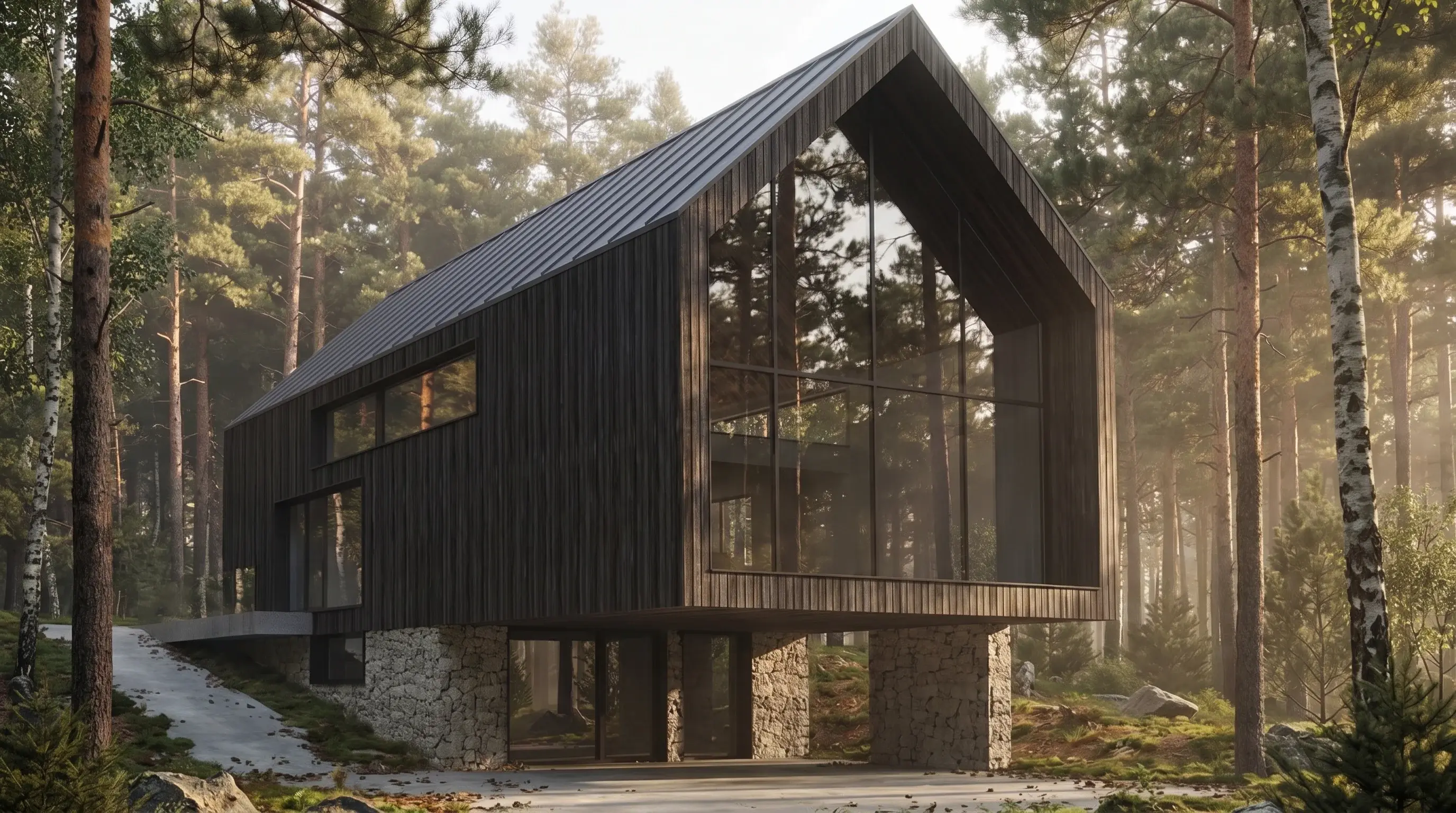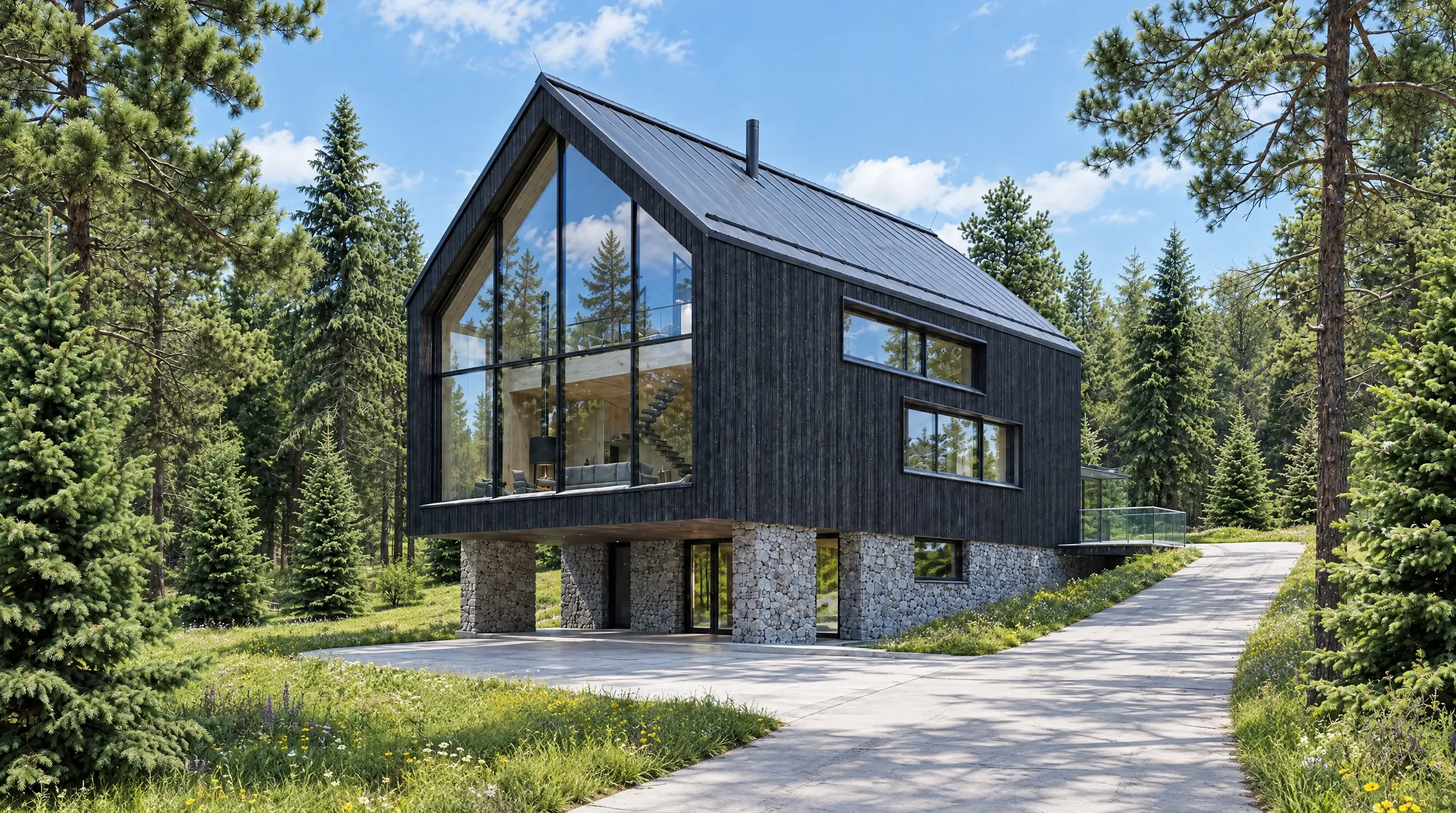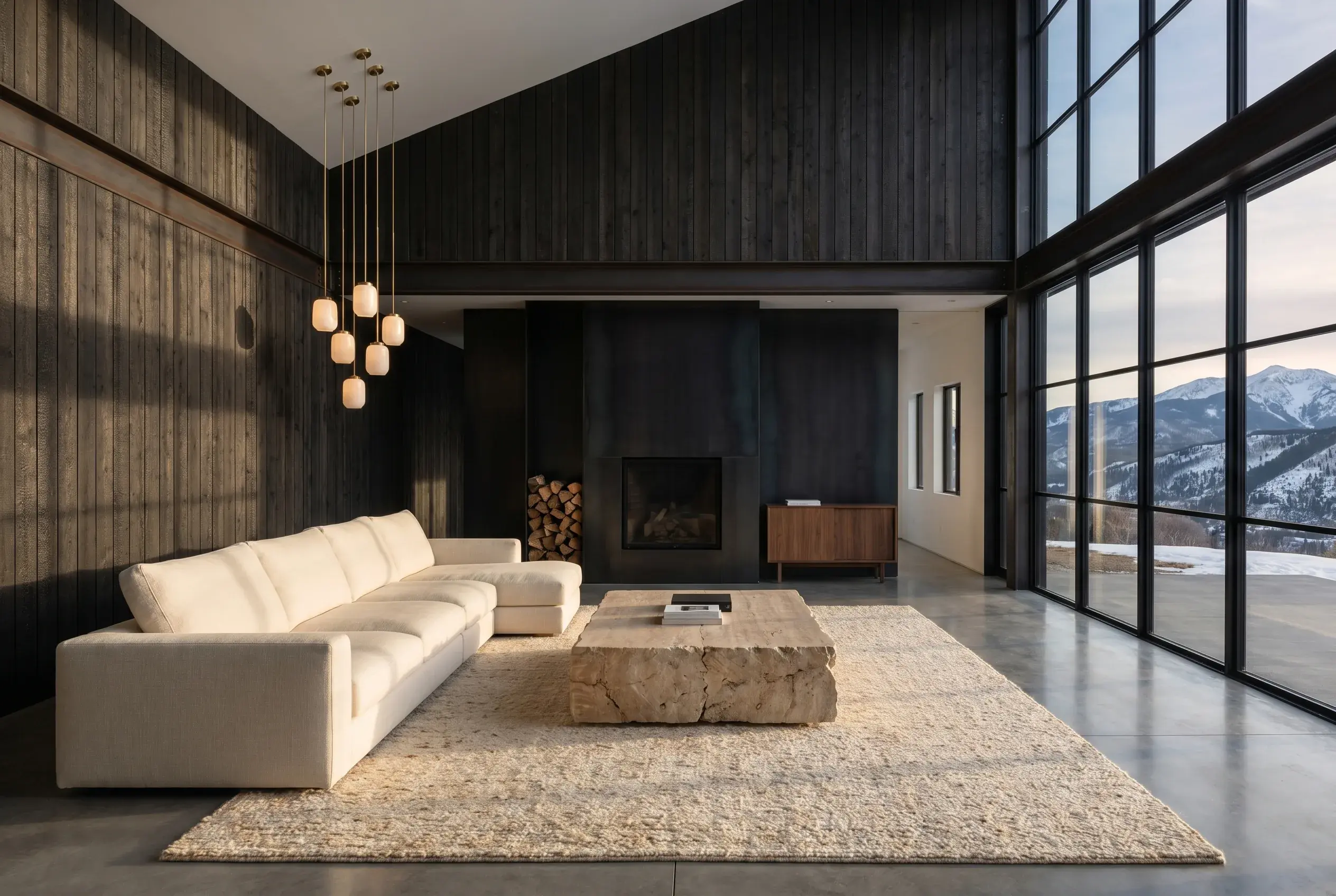
Ski chalet vs apartment is mostly a choice between control and convenience. A detached chalet gives you privacy, room for a group and the final say over the house, but every cost and decision is yours. An apartment (a condo, in American English) is usually cheaper to buy and easy to lock up and leave, but you share walls, house rules and the building's budget. The second choice, new build vs resale, decides how much of your money later goes into energy and repairs.
In Slovakia a third factor matters, one that guides written for the Alps leave out: the legal category of the property. Whether it is registered as a family house, a recreational building or a flat changes how it is taxed, how banks count it from 2027 and what you may use it for.
Ski chalet vs apartment: how do they compare?
| Detached ski chalet | Apartment in a resort building | |
|---|---|---|
| Privacy | No shared walls, own entrance and outdoor space | Neighbours above, below or beside you |
| Space for groups | Several bedrooms and bathrooms around one living area | Usually sized for a couple or a small family |
| Outdoor space | Own plot and terrace, room for a sauna and ski storage | A balcony or shared areas |
| Running costs | You pay every cost directly | Monthly contributions to shared costs |
| Decisions | Yours alone | Shared with the other owners |
| Upkeep | Roof, facade, garden and snow are your job | A building manager handles the common parts |
| Property tax base | Built-up area (footprint) | Floor area of the flat |
| While you are away | Needs a caretaker or remote monitoring | Neighbours around, a manager for the building |
Privacy and groups: what does a detached chalet give you?
The strongest case for a chalet is how it is used. Families who travel with grandparents, or friends who ski together, want separate bedrooms and bathrooms but one kitchen and one table, and a detached house is built around that. A sauna or ski room at home, a terrace on your own plot and no neighbour hearing ski boots at seven in the morning are things an apartment rarely offers.
The same logic applies if you let the property. A whole chalet is booked by groups and extended families who want to stay together; an apartment competes for couples and small families. Neither is better in principle. What matters is which guests your resort attracts and who looks after them, so ask to see the occupancy and price assumptions behind any rental forecast.
The price of that freedom is responsibility. With a chalet, the roof, the facade, the driveway, the garden and the snow are yours, and so is the decision about when to spend money on them.
Running costs and service charges: who pays for what?
In an apartment block, owners pay monthly contributions into the building's repair fund (fond prevádzky, údržby a opráv) and fees to the building manager (správca), and the owners vote on repairs and their cost. You get shared costs and professional care of the common parts, but also decisions you may not agree with.
A chalet has no service charge, but you pay everything directly: insurance for the whole building, energy, snow clearing, garden care and a maintenance reserve. A detached house also has more outside walls and roof per m² of living space than a flat inside a larger building, so its energy standard matters more.
Property tax is calculated differently for each (Local Taxes Act, Act No. 582/2004 Coll.): a house on its built-up area (§ 11), a flat on its floor area (§ 15). Donovaly's ordinance VZN 2/2023 sets €1.65 per m² for houses and chalets, plus €0.33 per m² for each further above-ground floor; €2.32 per m² for flats used for housing and short-term recreation; and €2.99 per m² for flats used for business, including renting out accommodation. Illustrative: a 70 m² flat used for letting pays €209.30 a year; a house with a 130 m² footprint on two above-ground floors pays €257.40, or €296.40 if it is classified as a business building (€1.95 per m²). Confirm the current rates with the municipality, and see our guide to the cost of owning a ski chalet for every yearly cost.
Energy standards: why does the build year matter more in the mountains?
At altitude the heating season is long, so the gap between a well-insulated house and a draughty one shows on every bill. New buildings in the EU must meet far stricter energy requirements than houses built a few decades ago, and older mountain chalets were often built for weekend use rather than winter comfort.
You do not have to take anyone's word for it. A building that is sold must have an energy performance certificate, which the seller hands to the buyer, and a published sale offer must state the building's energy performance indicator (Act No. 555/2005 Coll., § 5 and § 8). The Act exempts a few cases, such as stand-alone buildings under 50 m² and residential buildings intended for use for less than four months a year (§ 2(2)), so ask how a seller without a certificate qualifies. Compare the certificates of every house on your shortlist, resale and new build alike.
What is the renovation risk in a mountain climate?
A resale chalet can look like a bargain until you price the work. Typical risks at altitude include moisture and rot in timber, roofs that leak under ice, frost damage to paving and pipes, old septic tanks, and electrical installations not sized for a sauna or an electric car.
The work itself is harder too. The building season is short, heavy vehicles may not reach a steep plot in winter, and changes to the structure or use of a building can require a permit under the Building Act (Act No. 25/2025 Coll.). Before you buy an older chalet, commission a survey, get renovation quotes and keep a contingency for what the survey cannot see.
With a new build the risk shifts to the developer finishing on time and to the agreed specification. Our ski chalet buying checklist lists the contract and handover checks that protect you.
Family house, recreational building or flat: what does the category change?
| Category | Tax base and Donovaly rate | Counts as residential property for the 2027 lending rule | Use |
|---|---|---|---|
| Family house (rodinný dom) | Footprint, €1.65 per m² | Yes | As approved; running it mainly as an accommodation business may need a change of use |
| Recreational building (chata, stavba na individuálnu rekreáciu) | Footprint, €1.65 per m² | No, if registered as a building for sport and recreation | As approved in the occupancy document |
| Flat (byt) | Floor area, €2.32 or €2.99 per m² | Yes, including apartments registered as non-residential units | The owners decide on the common parts |
Three consequences matter most:
- Financing. The central bank's limits apply to every consumer loan secured by real estate, holiday homes included (Act No. 90/2016 Coll., § 1(2)). In 2026 a loan may reach 80% of the property value, and up to 90% for a limited share of loans. From 1 January 2027, borrowers who already own two or more residential properties are capped at 70%; buildings registered for sport and recreation, land and property abroad do not count. A buyer's homes in the UK or the US therefore do not trigger the cap. See our guide to financing a mountain home in Slovakia.
- Use. A building may be used only for the purpose in its occupancy approval (Act No. 25/2025 Coll., § 68). If you plan to run rentals as a business, check this before you buy.
- VAT on purchase. A new house or flat from a VAT-registered developer carries 23% VAT in the price, with no reduced rate for private housing; a resale from a private owner who is not registered for VAT carries none (Act No. 222/2004 Coll., § 27 and § 38).
Selling is treated the same way in every category: the sale is exempt from Slovak income tax after five years of ownership (Act No. 595/2003 Coll., § 9(1)(a)).
New build vs resale: what changes for you?
| New build | Resale | |
|---|---|---|
| Price | Higher; 23% VAT included from a VAT-registered developer | Often lower; no VAT from a private seller |
| Energy | Built to current requirements, certificate at completion | Varies widely; read the certificate |
| Defects | Notify within 24 months of takeover (Civil Code, Act No. 40/1964 Coll., § 599); negotiate a longer guarantee | Same 24-month rule, but you buy the wear you can see |
| Renovation | None at the start | Survey, quotes and a contingency |
| Timing | Wait for completion and the occupancy approval | Use it soon after registration |
| Payments | Advance payments need contractual protection, ideally escrow | Usually one payment through escrow |
| Choice | Finishes agreed with the developer | What you see, unless you renovate |
For asking prices in the mountain segment, see our overview of Slovakia property prices for mountain homes.
Which mountain property fits you?
- A detached chalet if you travel as a group or an extended family, want privacy and a sauna at home, and can arrange a local caretaker.
- An apartment if you come as a couple, want to lock up and leave, and prefer shared costs and decisions.
- A new build if you want current energy standards, documents in order and predictable first years, and can wait for completion.
- A resale property if you have the time, budget and local help to survey and renovate it.
For the whole buying process, start with our guide to buying a ski chalet in Slovakia.
Summary
- A ski chalet offers privacy, space for groups and full control in exchange for full responsibility; an apartment trades control for lower cost and simpler upkeep.
- In Slovakia a house is taxed on its footprint and a flat on its floor area; in Donovaly flats used for letting pay €2.99 per m² of floor area.
- The legal category (family house, recreational building or flat) decides the permitted use and, from 2027, how banks count your properties.
- New builds include 23% VAT and meet current energy requirements; resale can cost less to buy but more to renovate in a mountain climate.
- Compare energy certificates and legal categories on paper before you compare views.
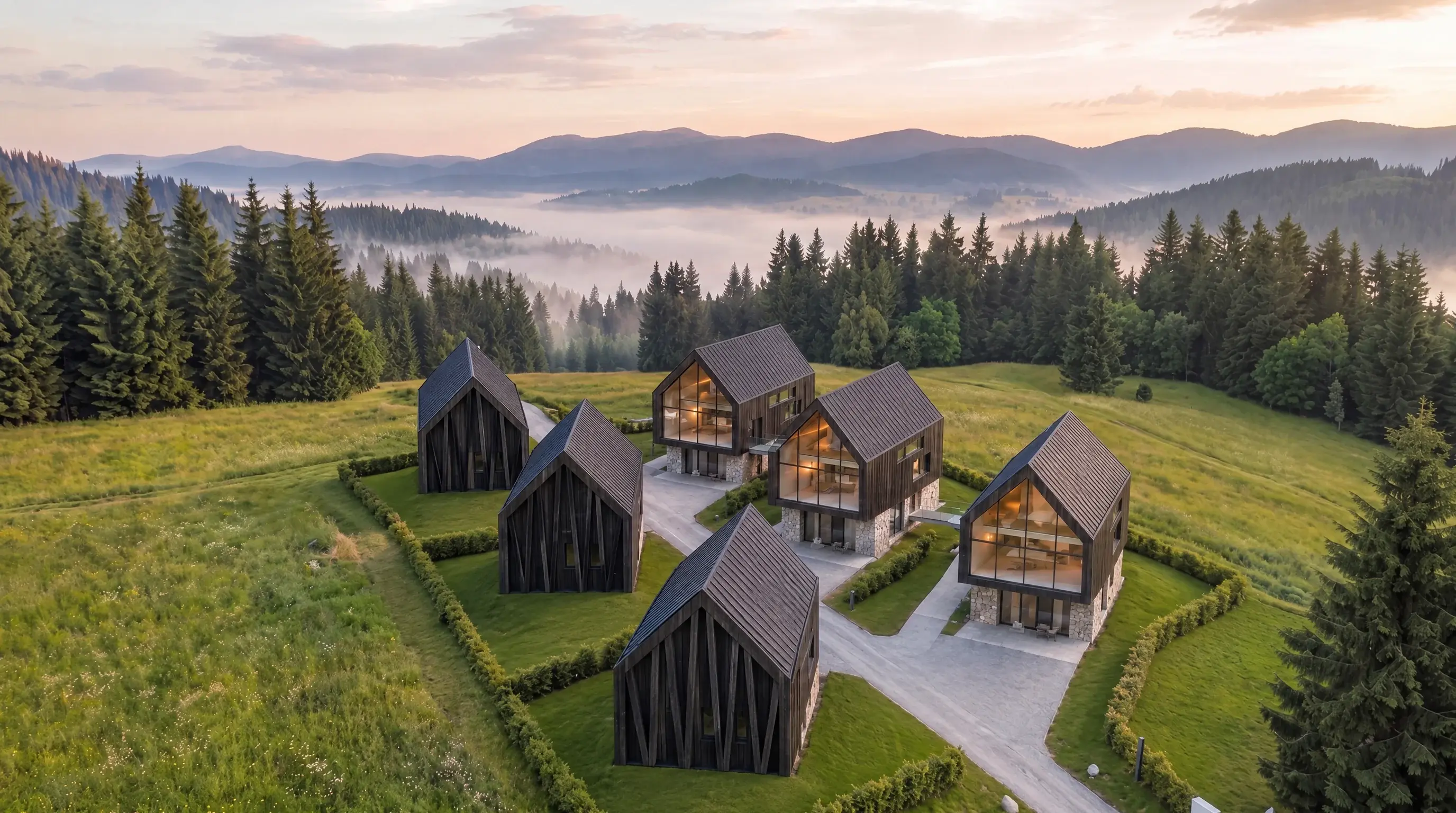
NOVALY is a project of six detached new-build chalets in Donovaly, each 254.4 m² over three levels with four bedrooms and three bathrooms, on plots of 469 to 678 m². If that is your side of the comparison, see the chalets and the site plan or browse the visualisations.